After the Bang: Pothole Damage, Council Claims and Keeping Your Macan Straight
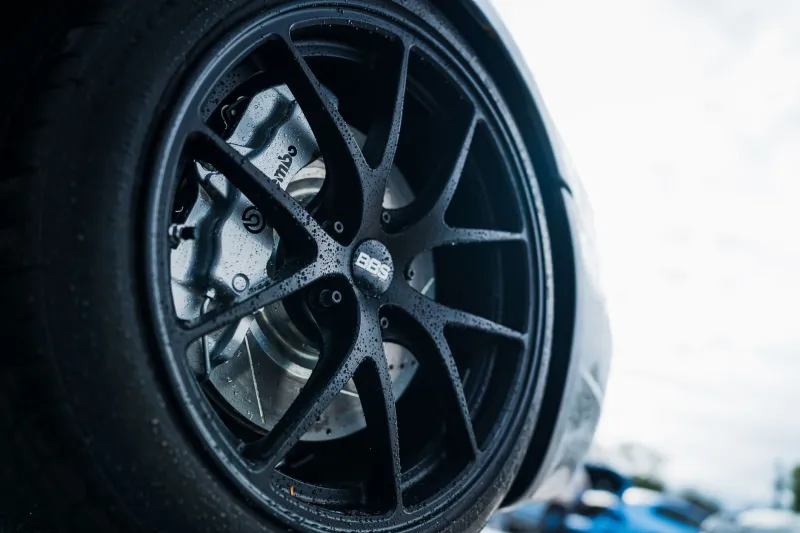
You know the sound. A sharp, hollow thump through the floor, a wince, and the immediate question of whether that was just a bit of broken tarmac or something expensive. British roads in late 2026 are no kinder than usual, and a Macan's weight and wide, low-profile tyres mean a pothole can deliver a proper jolt to the wheel, tyre and suspension.
The good news is that most pothole strikes are survivable with a level head and a bit of admin. The bad news is that ignoring a small thump can turn a £150 alloy repair into a four-figure suspension bill. Here's the calm, practical version.
First, get safe and stop properly
Don't brake hard or swerve into another lane when you feel the impact. Grip the wheel, ease off the throttle and find somewhere safe to stop. On a motorway, use the hard shoulder only if you have to, exit the car on the passenger side if it is safe, and use the emergency phone or call 999 if you are in danger. Never stand behind the car. On ordinary roads, look for a layby, side street or car park rather than stopping half on a verge with traffic thundering past.
Put your hazards on, get your hi-vis out if you have one, and take a breath before you start inspecting. A Macan is a heavy car, and a pothole strike can damage more than the bit you can see.
The roadside check that actually matters
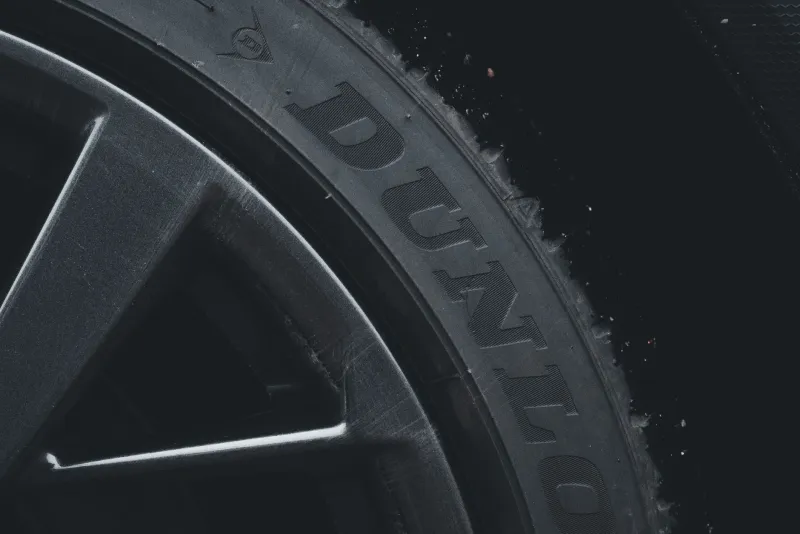
Start with the tyre on the corner that took the hit. Look at both the outer and inner sidewalls, because a bulge or cut can hide on the inside face. Run your hand around the tread and sidewall when it is safe to do so, but watch for sharp edges on damaged alloy. A bulge is not a cosmetic issue. It means the tyre's structure has been compromised, and it should be treated as a replacement, not a wait-and-see item.
Check the alloy for cracks, flat spots, buckled lips and missing wheel weights. Look inside the wheel arch for a displaced liner or shiny marks where something has moved. Check the ride height at that corner if the car has air suspension, and watch for any warning message on the dash. If the car is sitting oddly, leaking fluid or showing an air suspension fault, don't drive it further. Call recovery.
Many Macans rely on a sealant and inflator rather than a spare wheel, so a proper sidewall bulge or cracked rim is not a roadside fix with a can of goo. If the tyre is flat, damaged or visibly bulging, get recovered rather than limping home and risking a blowout.
Photograph like you mean it
Before you move the car, take photos that tell the story. Get a wide shot showing the pothole in the road, a closer shot with something for scale, and close-ups of the damage. Include road markings, signs, landmarks and your dashcam timestamp if you have one. Save the dashcam clip immediately, because many systems overwrite older footage within hours or days.
Note the time, date, weather and your approximate speed. Record the mileage and the exact location, ideally with a what3words reference or a dropped pin. If you hit a pothole on a motorway or major trunk road, the responsible body may be National Highways rather than the local council. On ordinary A-roads, B-roads and residential streets, it is usually the council.
Council claims: patience and paperwork
Report the pothole even if you are not sure you will claim. Use the council's online reporting portal and keep the reference number. Then ask for the claim form. Most councils will want photos, a location, a description of the damage, an estimate or invoice, and proof of ownership or insurance details. Keep your claim factual and reasonable. Don't inflate it, and don't authorise expensive work without checking what evidence the council needs.
Councils often have a statutory defence if they can show they had a reasonable inspection and repair system in place. That does not mean every claim fails, but it does mean you need evidence rather than frustration. If the claim is rejected, read the reason carefully and decide whether it is worth escalating. The process can take months, so keep copies of everything and don't let a repair delay your claim if the car needs to be safe.
Insurance or paying privately?
Get an estimate before you decide. A buckled alloy, a tyre and a geometry check might be cheaper to pay privately than to put through insurance, especially once you weigh up your excess, protected no-claims and the effect on next year's premium. A damaged suspension arm, air spring, wheel bearing or steering component is a different conversation. Those bills can climb quickly, and insurance may be the sensible route.
If you do claim, tell your insurer promptly and follow their repairer instructions. If you don't claim, check whether your policy still requires you to notify them of the incident. It is boring admin, but it is better than a surprise at renewal.
The inspection that stops small bills becoming big ones
Even if the car looks fine, get it inspected. Ask a Porsche specialist or a good tyre bay to check the wheel for cracks and runout, inspect the tyre sidewalls, and check the suspension for bent components, split bushes, damaged drop links and wheel bearing noise. Then get a proper four-wheel alignment check with a printout. A Macan that has been knocked out of alignment can feel almost normal while quietly wearing the inside edge of a tyre.
Don't rely on a quick visual check and a clean MOT. Pothole damage can be subtle at first and obvious later. A vibration through the wheel, a steering wheel that no longer sits straight, a clunk over speed bumps or uneven tyre wear are all reasons to book it in.
A small pothole kit for the boot
You don't need a workshop, but a few basics earn their space: a torch, gloves, a tyre pressure gauge, a quality inflator, a power bank, a hi-vis vest and an old towel. Keep your dashcam working and your recovery cover details handy. If you have a space-saver or collapsible spare, check it is inflated and that you have the tools. If you don't, know how to use the sealant kit and when not to.
Final word
A pothole thump is one of those moments where a few minutes of care can save a lot of money. Get safe, check the obvious damage, photograph everything, report the road and get the car inspected. Your Macan is tough, but it is not invincible, and British tarmac in 2026 still has plenty of surprises. If you have had a recent pothole claim, share it on the club forum. The next owner might thank you for the paperwork tips.