Rim Reckoning: Matching Macan Wheels to the Roads You Really Drive
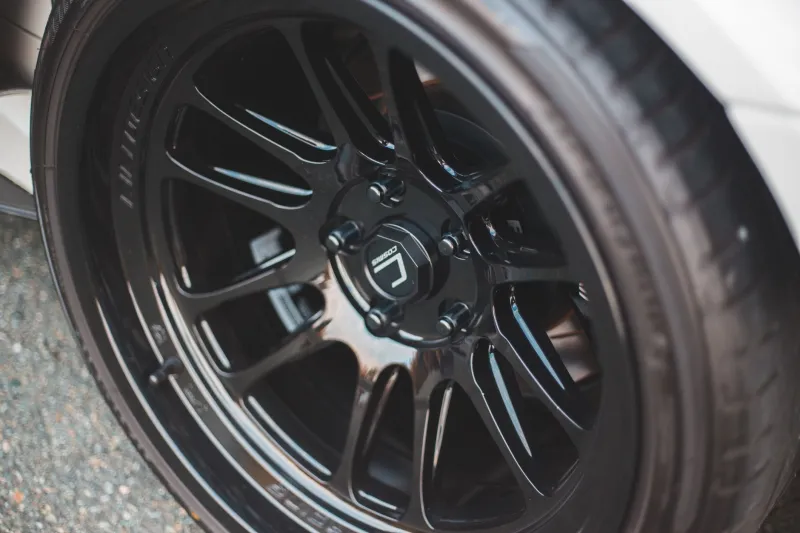
Wheel size is one of those Macan spec choices that looks simple in the configurator and becomes a lot more interesting once you meet a repaired section of A-road at 50 mph. The right answer is not ‘bigger is better’ or ‘smaller is sensible’. It is about matching the wheel to the roads, passengers and parking situations you actually deal with. Here is a grounded way to think about 18-, 19-, 20- and 21-inch wheels on a Macan in the UK.
Why an inch changes more than the look
A larger wheel usually means a shorter sidewall. That is the band of rubber between the rim and the road, and it is doing more work than many owners give it credit for. A deeper sidewall can absorb broken surfaces, patched trenches and the general roughness of a British B-road. A thinner sidewall sharpens steering response and makes the car look more purposeful, but it also passes more of that surface detail into the cabin.
This is not a reason to avoid large wheels. A Macan on 21s can still be comfortable enough for most people, especially if the suspension is in its softer setting and the tyres are a sensible brand. But it is a reason to be honest about your commute, your nearest multi-storey and the state of the lane outside your house.
The four sizes in plain English
18-inch: the quiet pragmatist
Eighteens are not the fashionable choice, but they make a strong case for anyone who values comfort, cheaper tyres and a bit of protection against kerbs. There is more sidewall to soak up poor surfaces, winter rubber is easier to find and the alloy is less likely to meet a pothole edge with a nasty crunch. They will not flatter the Macan’s stance in the same way as a bigger rim, but a clean set of 18s on a well-kept car is far from a hardship.
19-inch: the everyday sweet spot
Nineteens tend to hit a useful balance. There is enough sidewall to take the edge off urban scars, but the car still looks like a premium SUV rather than a utility vehicle. Tyre choice is broad, prices are more reasonable than the larger sizes and the ride is usually liveable on everything from motorways to farm-track-adjacent lanes. For a Macan that does school runs, station car parks and the occasional long weekend, 19s are hard to argue with.
20-inch: the style default
Twenties are probably the most common answer for owners who want a bit of presence without going all-in on the largest option. They look right on the Macan’s proportions and there is still a decent range of tyres available. The trade-off is a firmer edge over sharp bumps and a higher chance of alloy damage if you are careless around kerbs. On a car with adaptive dampers, 20s can be perfectly civil; on a tired set of budget tyres, they can feel much less polished.
21-inch: the showroom hero
Twenty-ones are the ones that make people stop and look. They fill the arches, suit the more powerful models and give the Macan a planted, expensive stance. They also bring the thinnest sidewall, the highest tyre prices, the greatest kerb risk and the least tolerance for a neglected pothole. None of that makes them wrong. It simply means they reward an owner who is prepared to look ahead, avoid the worst lanes and budget properly for rubber.
Ride quality on real British tarmac
The UK is not a smooth test track. We have sunken drain covers, temporary patches that sit proud of the surface, speed cushions, rutted country lanes and motorway expansions joints that feel like small kerbs. A larger wheel transmits more of that into the cabin, and the difference is most obvious at low speed around town.
If your Macan has adaptive suspension, use it. Comfort mode is not a admission of defeat; it is there for a reason. But do not expect electronics to fully disguise a very thin sidewall. The best test is not a five-minute spin on a smooth dual carriageway. Take the car on the road you use every day, ideally with the family aboard, and see how it deals with the worst bits.
The tyre bill and the pothole tax
Tyres for 18s and 19s are generally cheaper and easier to source. Twenties are manageable. Twenty-ones can be eye-watering, especially if you want a premium brand rather than a budget option that dulls the experience. Add in the cost of alloy refurbishment and a puncture-prone low-profile tyre, and the running cost gap becomes real.
This does not mean you should buy cheap tyres to compensate. A Macan is heavy and quick enough to expose a poor tyre very quickly, especially in the wet. The smarter approach is to factor tyre cost into the purchase decision rather than discovering it at replacement time.
Kerbs, car parks and the school run
Low-profile tyres offer little protection against a misjudged kerb. Multi-storeys, tight supermarket bays and rural passing places are where large alloys earn their scars. If your regular parking involves narrow ramps or high kerbs, a smaller wheel is a quiet form of financial self-defence. Wheel and tyre insurance can help, but check the terms carefully and do not assume it covers cosmetic damage.
Winter sets and storage
A dedicated winter set is worth considering if you drive early in the morning, tow, or live somewhere with proper cold weather. Smaller wheels often make winter tyres cheaper and more available, but check brake clearance and stick to suitable Porsche-approved fitments. Tell your insurer if you are fitting a non-standard set, and store the spare wheels somewhere dry rather than letting them live in the garden shed.
Insurance and modification notes
Factory wheel options that were on the car from new are normally treated as part of the standard spec. Aftermarket wheels, a size change or anything not on the build sheet is worth declaring to your insurer. It is a boring phone call, but it is cheaper than discovering a problem after a claim. Used buyers should also check that the wheels on the car match the spec they think they are buying.
What used buyers actually value
A sharp set of large alloys can help a Macan stand out, but experienced buyers tend to look at condition first. Are the tyres a matching, reputable brand? Are the alloys straight? Is there evidence of kerb damage or a cheap refurb? A well-maintained car on 19s or 20s with good rubber is often more appealing than a 21-inch car with budget tyres and scraped rims. Big wheels are a bonus, not a substitute for proper care.
A simple decision guide
- Rural lanes, family duties and all-year comfort: lean towards 18s or 19s.
- Mixed use with a bit of style: 19s or 20s are the safe middle ground.
- Smooth roads and you accept the costs: 20s or 21s can work well.
- Winter tyres or a second set: smaller diameters usually make more sense.
- Buying used: prioritise tyre quality, alloy condition and service history over rim size alone.
The bottom line
The best Macan wheel is the one that suits your actual week, not the one that looks best under showroom lights. If you spend your life on broken surfaces, narrow car parks and wet country roads, a smaller wheel can make the car feel more expensive to live with, not less. If your roads are kind and you are prepared for the bills, the larger sizes deliver the look many owners want. Choose with your eyes open, and the Macan will stay on the right side of enjoyable.