The Itemised Truth: How to Read Your Macan's Main-Dealer Service Invoice Without Wincing

You collect the Macan, the handover is friendly, and then you open the invoice. Suddenly you are staring at a document that looks part restaurant bill, part medical chart. There are labour codes, part numbers, a mysterious sundries line and a bold section marked recommended. It is not that your Official Porsche Centre is trying to confuse you. It is just that a main-dealer invoice is built for the workshop, not for a bleary-eyed owner on a Saturday morning.
This is not a guide to dodging maintenance. A Macan needs proper servicing, and a well-kept history is one of the reasons these cars hold their value. But you should understand what you are paying for. Whether your car is a petrol, diesel or an Electric Macan with a very different routine, the principle is the same: read the bill line by line, ask what is scheduled, and separate safety and warranty work from the nice-to-haves.
First, Know What You Are Looking At
A typical OPC invoice has three broad chunks. Parts, labour and VAT are the obvious ones. Then there are the advisories, often flagged in a separate column or with an amber highlight. These are the items the technician has noticed but which are not automatically part of the service. Some are urgent. Some can wait until the next visit. Some are simply a good idea if you plan to keep the car another five years.
The key phrase to look for is manufacturer schedule. That means the work is due by time or mileage under Porsche's servicing plan. Everything else is either a measured wear item, a fault put right with your approval, or a recommendation. None of those categories is inherently bad. But they should not all be treated as one lump sum.
The Genuine Essentials on a Macan
On a petrol or diesel Macan, the core service is usually engine oil and filter, a general inspection, and whatever time or mileage items fall due that year. Brake fluid is a good example of a job that catches people out because it is time-based rather than mileage-based. It is typically every two years on many Porsches, and it is not an upsell if the clock says it is due. Ask to see the schedule if you are unsure.
PDK oil and filter is another one that makes owners wince, but it is a genuine scheduled item at the manufacturer's stated interval. On many Macans that lands somewhere around the 40,000-mile mark, but check your own model's requirements rather than relying on a forum post from 2014. Spark plugs, air filters and fuel filters also follow specific intervals. If they are due, they are due.
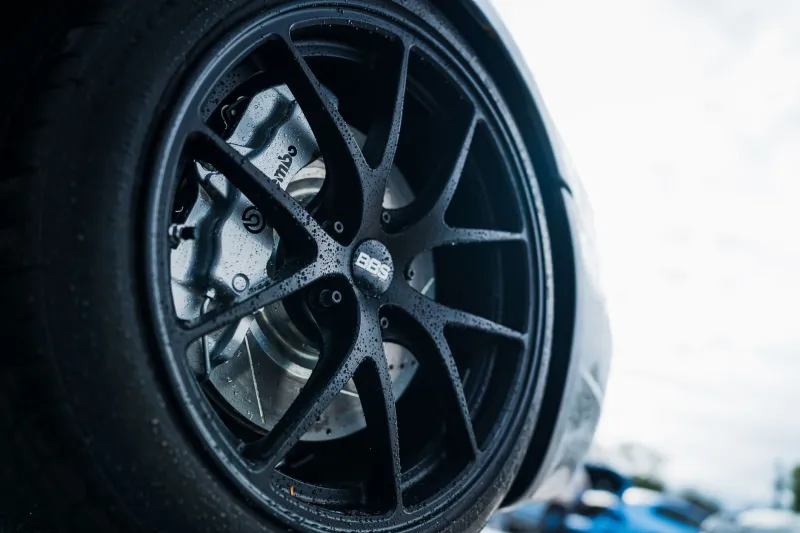
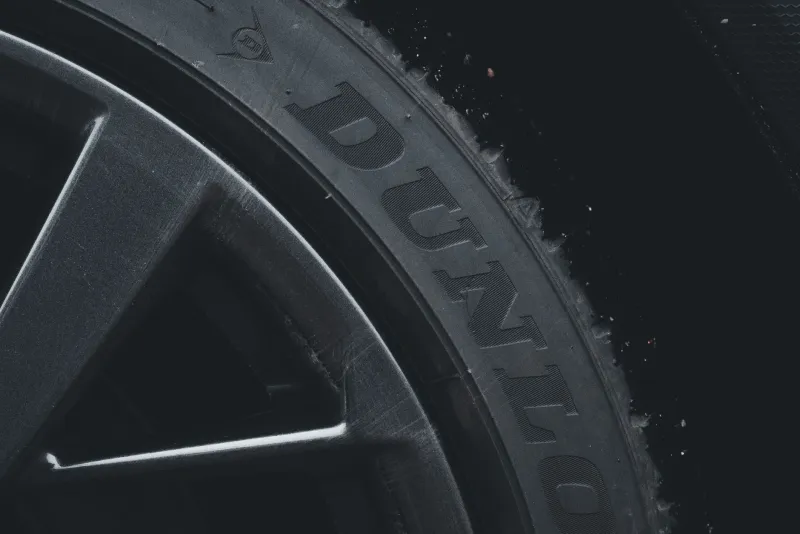
Brake pads and discs are different. They are condition-based. A good invoice should show measured pad thickness, not just a line saying brakes worn. If the service desk cannot tell you how many millimetres are left, ask them to find out. Tyres are similar. You can measure tread yourself, and you should, because a Macan is a heavy car and it eats rubber when driven properly.
The Recommended List Is a Menu, Not a Command
This is where invoices get expensive. Cabin or pollen filters, air-con sanitising, fuel additives, wheel alignment, paint protection, wiper blades, battery health checks and assorted cleaning products can all appear under recommended. Some of these are worth doing. A pollen filter that has turned green is a false economy to ignore, especially if the windows mist up in winter. A wheel alignment check after a pothole season is sensible. But a fuel additive on a car that is serviced on time and driven regularly? That can usually wait.
The polite question is always: why now? Is it due by time or mileage, has it been measured, and what happens if I defer it to the next service? A good technician will give you a straight answer. A good service desk will not mind you asking. If an item is a safety issue, they should say so clearly. If it is cosmetic or convenience, they should be honest about that too.
Where Independent Specialists Fit
Independent Porsche specialists are a serious option for owners outside the warranty bubble. Labour rates are often materially lower than OPC rates, and many independents are ex-main-dealer technicians with the same diagnostic kit and a deep knowledge of Macan quirks. They can also be more flexible about fitting quality aftermarket parts if you want to keep costs down.
The catch is warranty. If your Macan is covered by a Porsche Approved Warranty, read the terms carefully before booking elsewhere. Many policies expect servicing to be carried out at a Porsche Centre, or at least with Porsche-approved parts and genuine records. Paying less for a service but compromising a claim on a PDK gearbox is a false economy. If you are out of warranty, a well-regarded independent with Porsche experience and itemised invoices is often the sweet spot.
How to Question the Service Desk Politely
You do not need to become the awkward customer who arrives with a clipboard and a legal textbook. You just need three or four calm questions. Ask for the work to be split into essential, safety-related and advisory. Ask for measured values on wear items. Ask for a written quote before any extra work is carried out. And ask whether each job is required to maintain the warranty or the service schedule.
A simple line works well: 'Could you itemise the recommended work and let me know which bits are due by the schedule and which are optional?' Another useful one: 'Please do not carry out advisories without calling me first.' That gives you breathing room and keeps the invoice predictable. If you are comparing an independent quote, ask for the same itemised breakdown so you are not comparing a full OPC service with a bare oil change.
Keep the Paper Trail
Every invoice, alignment printout and brake measurement is useful history. It helps when you sell the car, it helps if a warranty question ever arises, and it helps you spot patterns. If the same recommended item appears three years running but never gets done, you can decide whether it is genuinely needed or just a line that has become wallpaper.
A Macan is a wonderful thing to own, but it is not a cheap thing to maintain. The trick is not to avoid the bill. It is to understand it. Read the itemised truth, ask the polite questions, and pay for the work that actually keeps your car safe, sweet to drive and worth buying again.