Renewal Season: The Macan Insurance Health Check Worth Doing Before the Letter Lands

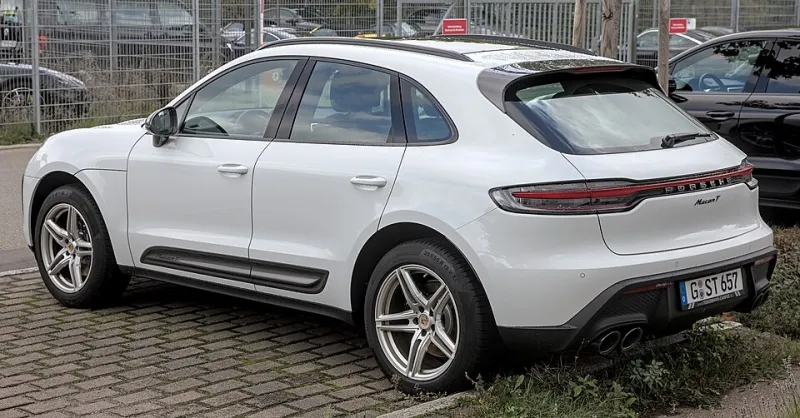
Photo: Kidfly182, CC BY 4.0, via Wikimedia Commons
There is a particular kind of dread reserved for the envelope from your insurer that arrives about three weeks before renewal. You open it, clock a figure that has jumped by a couple of hundred quid, and immediately start wondering whether you've done something wrong. Usually you haven't. You've just been driving a quick, wide, aluminium-bodied SUV with expensive glass and a target painted on its keyless entry system.
The good news is that Macan insurance is not a lottery. It's a pricing model, and models respond to inputs. Give an insurer better inputs and it will almost always give you a better number — provided you understand where the trade-offs sit.
Why two Macan owners, same street, wildly different quotes
Insurers are not really pricing your car. They're pricing a claim they might have to pay on your car. A Macan is a heavy performance SUV with a lot of panel area, a rear light bar that costs a small fortune to replace, and model-specific parts that don't come off a shelf at the local factor. Bodyshop labour on a Porsche-approved repair is not cheap, and that is before anyone mentions the aluminium front end and the calibration work that follows a windscreen change.
Then there's theft. Keyless entry relay attacks have been a genuine problem across the premium SUV market for years, and Macans attract attention. Add in the fact that many are kept on driveways or on-street in cities, and you can see why postcodes dominate the quote more than your no-claims bonus does.
So when you compare quotes, you are not comparing one number. You are comparing how each insurer views your postcode, your parking, your annual mileage and — crucially — what you've told them.
The details you've probably forgotten
Most owners are honest and still get the facts slightly wrong, and small inaccuracies are exactly what a claims handler will seize on. Before you ring anyone, sit down and confirm the following against your actual car and your actual life.
Modifications
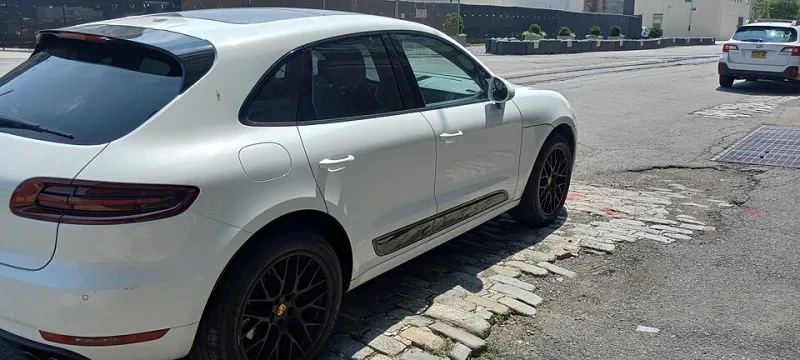
This is the big one. Factory options are fine — the Sport Chrono package, the panoramic roof, the upgraded wheels that came with the car from new. What insurers care about is anything fitted after build. Aftermarket alloys, lowering springs, a different exhaust, window tints beyond factory spec, a remap, a body kit, even a tow bar in some cases. Plenty of owners buy a used Macan with a set of non-standard wheels already on it and never think to declare them. If in doubt, declare it. Worst case, it costs a small admin fee. Best case, your claim isn't refused.
Mileage
Guessing is fine for the first year. Guessing badly for three years running is not. If you've been telling an insurer 8,000 miles and the odometer suggests 14,000, that's a discrepancy they can use. Look at your MOT history for a reality check on your true annual average, then be honest — or buy a higher mileage band up front if you know a big trip is coming.
Overnight parking
Garage, driveway, private car park, on-street. Say it exactly as it is. A car listed as garaged that actually lives on the road outside is a classic disputed claim.
Named drivers
Adding a partner or an older relative genuinely reduces some premiums, but fronting — putting a young driver as a named driver on a car they actually own and use — is fraud. Don't. It's not worth the risk of a voided policy and a cancelled-insurance record that follows you for years.
Agreed value: worth understanding before you need it
Standard policies pay market value at the time of a total loss, which on a fast-depreciating performance SUV can be an unpleasant surprise. Agreed value policies lock in a figure up front, usually with a mileage cap and sometimes a condition requirement. They cost more, and they are not for everyone — but if your Macan is a well-kept older example, or has had significant money spent on it, it's a conversation worth having. Similarly, if you're financing the car, look at GAP cover separately rather than assuming the motor policy will fill the hole.
Trackers and other discounts that actually exist
Not all discounts are marketing fluff. A Thatcham-approved tracker, a dash cam, a steering wheel lock, parking on a driveway, a mileage cap, agreeing to an excess increase — all of these can shift the number. Ask specifically which ones the insurer recognises and how much they credit, rather than assuming a tracker is automatically rewarded.
One warning: raising your voluntary excess is the easiest way to cut a premium and the easiest way to regret it. Work out what you could genuinely afford to pay on a bad day before you go chasing a saving.
Compare the cover, not just the price
A cheap quote can be cheap because it excludes courtesy cars, limits windscreen cover, or has a repairer network you'd rather not use on a Porsche. On a Macan, a courtesy car is not a luxury — a repair could take weeks. Check the following on every quote before you decide:
- Courtesy car included, and for how long
- Windscreen and glass cover, including calibration
- Legal expenses and uninsured driver protection
- Protected no-claims eligibility
- Repair network restrictions and whether you can choose your own bodyshop
- Breakdown cover, and whether it covers European trips
Your renewal-week checklist
- Pull your current policy documents and check every declared detail against the car as it stands today.
- Note the odometer reading and work out your real annual mileage.
- List any changes since last year — new wheels, a private plate, a new job title, a house move.
- Get three quotes with identical cover levels and identical voluntary excess so you're comparing like with like.
- Try the multi-car route if there's another vehicle in the household; the household discount can be substantial.
- Price paying annually versus monthly — the monthly APR is often grim.
- Ring your current insurer and ask for a retention quote. It is astonishing how often the renewal figure is negotiable.
- Once bought, save the certificate and a note of what you declared. Future you will thank present you.
None of this makes insurance fun. But an hour with a cup of tea and the documents folder is usually worth a few hundred pounds — and, more importantly, it means the policy you're relying on actually does what you think it does.